In large-scale food production, choosing raw materials is not only about the type or origin of the vegetable — it is also, and above all, about the preservation method.
In large-scale food production, choosing raw materials is not only about the type or origin of the vegetable — it is also, and above all, about the preservation method.
With over twenty years of experience supplying ingredients to the food industry, we at Palimex understand the implications of both solutions and support our clients in selecting the option that best aligns with their production goals.
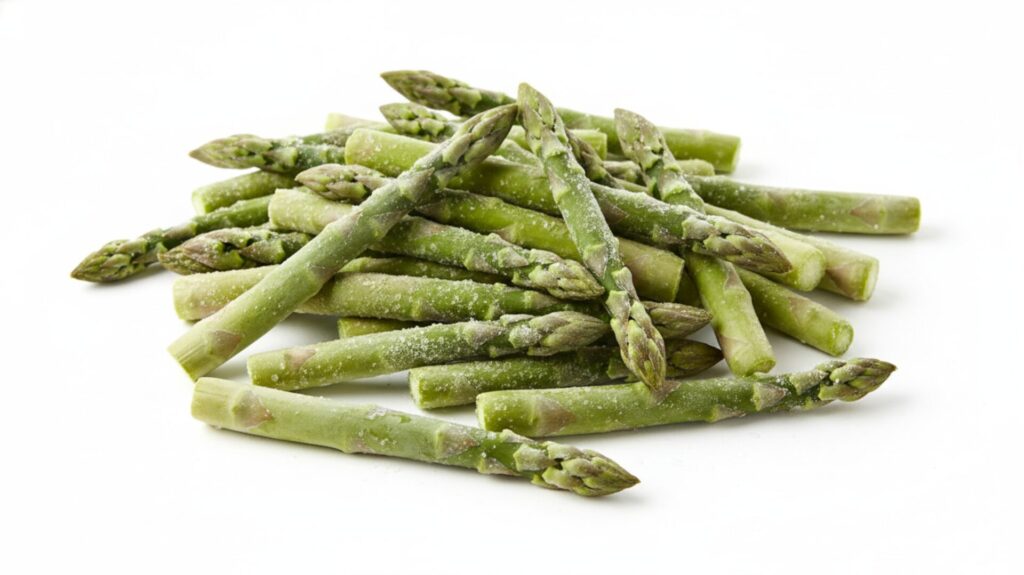
Table of content
Preservation means standardization
One of the main objectives of industrial food processing is reducing variability in raw materials. Seasonality, the instability of fresh supplies, production timing, and scalability requirements make it essential to work with stable ingredients that can seamlessly integrate into automated production flows.
In this context, preservation methods play a crucial role. Freezing and brining both offer efficient ways to manage ingredients, but they respond to different needs. Understanding these differences helps build a more efficient supply chain and a more consistent final product.
Frozen: when flexibility and visual performance matter
Frozen products undergo rapid freezing, a process that preserves the food’s organoleptic properties. This method helps maintain the ingredient’s color, structure, and nutritional value while minimizing alteration.
For many food manufacturers, frozen ingredients are the ideal solution when:
- the visual appearance of the ingredient is essential
- shape and color must remain intact during cooking
- production relies on high automation
- strong batch-to-batch standardization is required
For example, in ready meals, frozen pasta, industrial pizzas, or gourmet preparations, frozen ingredients ensure consistent presentation and reliable technical performance, reducing the need for manual adjustments during production.
The cold chain also ensures long-term preservation without the use of additives, supporting perception of naturalness and product quality.
Brined: when stability and non-refrigerated durability are needed
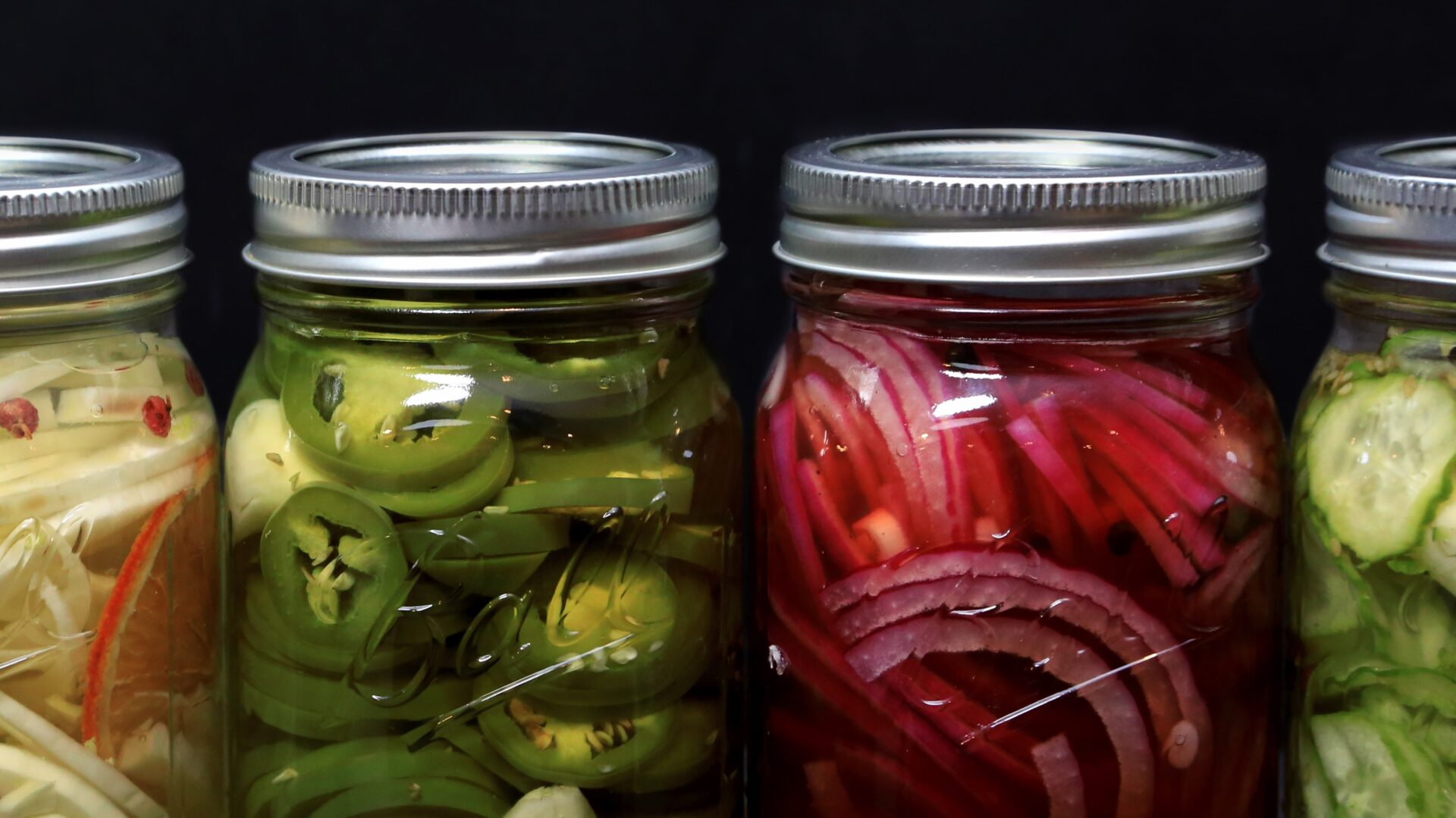
Brining, a method historically used to extend vegetable shelf life, has evolved into a modern preservation technology compatible with industrial standards.
The ingredient is immersed in a calibrated liquid solution (water, salt, and other components) that ensures microbiological stability and mechanical integrity for extended periods — without refrigeration.
Brined ingredients are particularly useful when:
- logistics require ambient storage or long-distance distribution
- the product will undergo further processing (cutting, cooking, seasoning)
- processors in the preserves or gastronomy industry need adaptable semi-finished ingredients
- storage and transport costs need to be optimized semi-lavorato facilmente adattabile
In sectors such as vegetable condiments, preserves, antipasti, and industrial sauces, brining provides easier handling and versatile preservation, while maintaining good organoleptic definition.
The Palimex advantage
Choosing Palimex means benefiting from dual expertise: access to an international network of selected producers and technical support aligned with real industrial needs.
We do not simply offer a product list — we help clients define their selection criteria, choose the most efficient option, and ensure punctual, traceable, compliant supply.
We handle both product lines — frozen and brined ingredients — offering various formats and processing levels suitable for multiple sectors: pasta manufacturers, industrial pizzerias, gastronomy, catering, and food processors.
Conclusion: flexibility and safety in every choice
In the industrial food production world, the value of a raw material goes beyond taste. It is a matter of efficiency, continuity, and adaptability.
Whether choosing frozen or brined ingredients, what truly matters is compatibility with the production process, regulatory compliance, and the ability to deliver a competitive final product.
With Palimex, every client can count on an experienced, responsive partner — providing not only the right raw material but also the support needed to use it effectively.